How to Layer Clothes for Fall: 7 Elegant Outfit Formulas for Everyday Life
The morning is cold; the afternoon is warm; the office has its own climate entirely. How do I dress? You leave home wearing a jacket, take it off on the train, put it back on when you arrive, regret the sweater at lunchtime, and wish you had brought another layer by dinner. And somehow, layering—which is supposed to make dressing easier—can quickly turn into feeling like you are wearing every item you own at the same time.
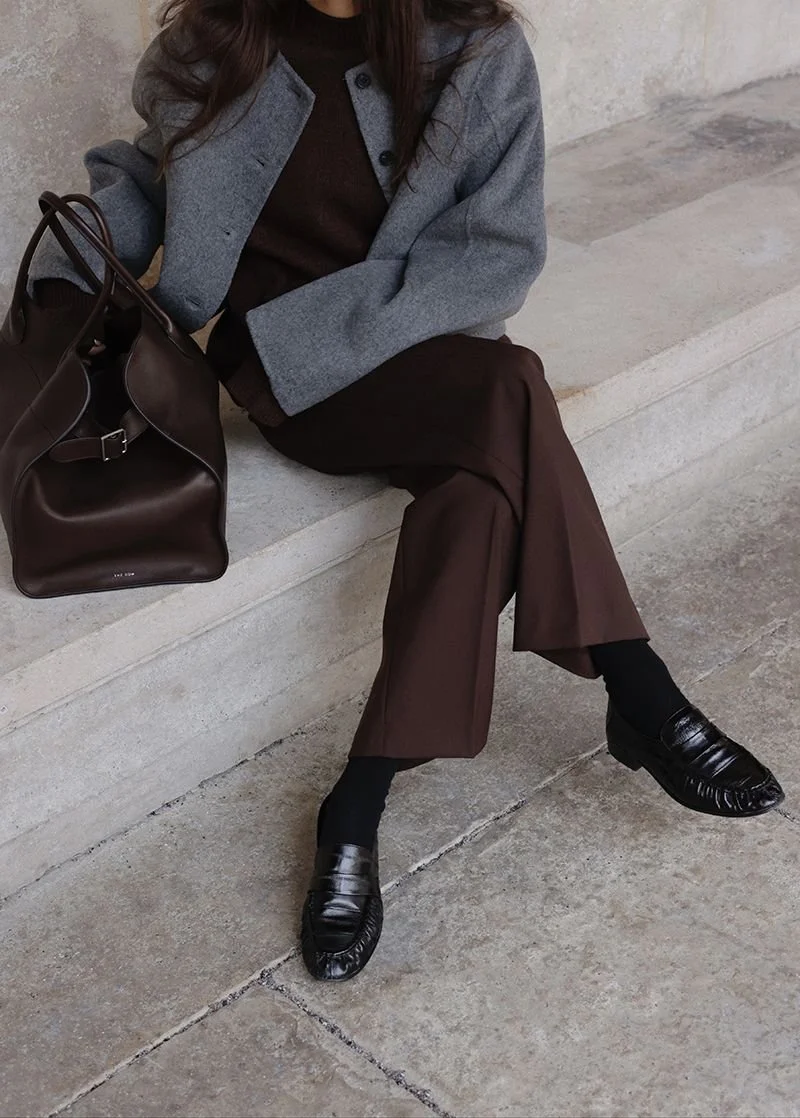
The secret to elegant fall layering is not adding more clothes; it is choosing layers that each have a purpose: one creates warmth, one adds structure, one gives personality. And, ideally, every piece still works if you remove another one during the day.
That is what makes an outfit flexible instead of bulky. So rather than giving you seven very specific looks you can only recreate exactly once, I wanted to share seven fall outfit formulas you can adapt to your own wardrobe, body, dress code, plans, and comfort level. Because staying warm should never mean losing your personal style.
1. For the Office if You Love Pants: Tailored Trousers + Fine Knit + Blazer + Trench
This is probably the easiest fall workwear formula to repeat.
Start with tailored trousers in black, navy, gray, camel, or chocolate brown. Add a fine knit instead of a heavy sweater. Merino wool, lightweight cashmere, or a thin cotton knit gives you warmth without unnecessary volume. Then add a blazer. Finish with a trench coat for the commute.
The beauty of this combination is that every layer can disappear throughout the day. Too warm on the train? Remove the trench. Office heating unexpectedly aggressive? Take off the blazer. Cool again in the evening? Everything goes back on.
Loafers, ballet flats, or ankle boots all work beautifully here. For accessories, I would add a structured leather tote and perhaps a silk scarf for color. It is polished, practical, and incredibly easy to adapt.
2. For the Office if You Love Skirts: Midi Skirt + Shirt + Cardigan + Boots
If skirts feel more like you, use them as the foundation rather than forcing yourself into trousers simply because the weather changes. A midi skirt works beautifully with a crisp shirt and lightweight cardigan. You can wear the cardigan normally, leave it open, button it completely as a second top layer, or drape it over your shoulders when the weather is milder.
Then add knee-high boots or loafers depending on the temperature. A blazer can replace the cardigan if you want something more structured. For cooler mornings, add a trench or wool coat.
This formula is particularly useful because it keeps the outfit feminine while still giving you plenty of coverage and warmth. If you enjoy prints, let the skirt carry the personality and keep the other layers quieter. If your skirt is neutral, accessories are your playground.
3. For a More Formal Office: Shirt + Vest + Tailored Suit + Elegant Outerwear
A formal dress code does not mean your fall wardrobe has to become boring.
Start with a crisp shirt, layer a fine-knit vest over it if temperatures allow, add tailored trousers and a matching or coordinating blazer, then finish with a structured coat or classic trench.
The vest is optional, but it creates useful warmth around the body without adding bulk through the sleeves—which can be particularly helpful if you are already wearing a blazer. For shoes, choose classic loafers, slingbacks during warmer transitional weeks, or elegant ankle boots.
Then bring personality through details: a brooch on the blazer, a silk scarf, beautiful earrings, a leather belt, a structured bag, a formal outfit can still communicate who you are.
Sometimes it simply does it more quietly.
4. For a Chill Day in the City: Jeans + Shirt + Knit + Leather Jacket
This is exactly the kind of outfit I want for a Saturday spent walking around the city, browsing shops, stopping for coffee, and perhaps accidentally turning lunch into aperitivo.
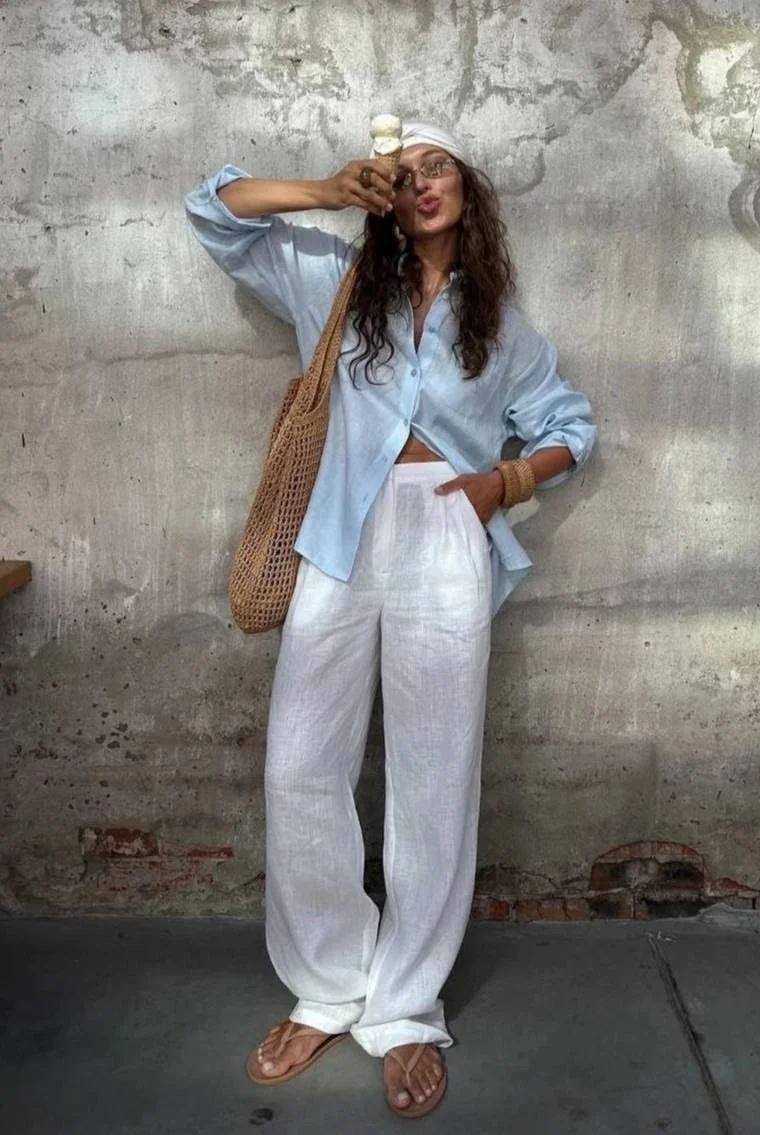
Start with your favorite jeans: dark blue denim feels wonderfully autumnal, while white jeans keep the outfit lighter during transitional weather. Add a shirt—cotton, linen, or denim all work, then layer a fine knit over it or drape one around your shoulders, finish with a classic leather or suede jacket. Loafers, sneakers, ballet flats, or ankle boots can all work depending on how much walking you expect to do. The secret here is contrast. A slightly rugged leather jacket looks beautiful with delicate jewelry; loafers can make casual denim feel more intentional; a silk scarf adds softness.
This is an excellent outfit formula for mixing different parts of your personality without making the look feel overly styled.
5. For a Day Outdoors: Base Layer + Knit + Practical Jacket + Comfortable Bottoms
If you are spending the day in nature, at a market, on a countryside walk, visiting a vineyard, or simply somewhere you know temperatures may change dramatically, layering becomes much more functional.
Start with a breathable base layer: that could be a cotton long-sleeved top, fine merino shirt, or simple T-shirt depending on the weather. Add a knit, then finish with a practical outer layer: a waxed jacket, lightweight quilted jacket, field jacket, or something wind-resistant. For the bottom, choose what makes movement easy: jeans, corduroy trousers, relaxed tailored pants, even leggings if the activity calls for them, then wear shoes you trust.
This is not the day to break in your beautiful new boots. If you still want the outfit to feel elegant, accessories make an enormous difference: beautiful sunglasses, a scarf, small earrings, a good leather crossbody bag.
Practicality can still feel like personal style.
6. For a Romantic Fall Date: Dress + Knit + Boots + Coat
Fall might be my favorite season for romantic dressing because layers create so much texture.
For a daytime date, start with a midi dress and add a cardigan or cropped knit, then wear knee-high boots and a trench coat, a silk scarf tied around your neck or bag immediately adds something special.
For an evening date, make the base slightly more refined, a slip dress under a fine knit, a fitted knit dress with a blazer, a romantic printed midi with a beautiful coat.
The important thing is not to create an outfit so delicate that you spend the entire evening freezing. Romantic does not need to mean impractical. If you want to show your legs, a mini skirt or shorter dress works beautifully with knee-high boots and a longer coat. You still get the silhouette you love while balancing it with warmer layers. Add sheer or opaque tights when temperatures drop.
7. For Dinner or Cocktails With Friends: Statement Top + Trousers or Mini + Blazer + Coat
Evening fall outfits are where layering can become especially fun. Start with something that already has personality, a silk blouse, a sheer top with an appropriate base layer, a beautiful camisole, a fitted knit, a sparkly or textured top.
Then choose the bottom according to what makes you feel best: tailored trousers create an elegant, slightly sharper look, a mini skirt lets your legs become part of the outfit, a midi skirt creates softness; dark denim keeps everything relaxed. Add a blazer or leather jacket, then a coat if necessary. The trick is making sure the outfit still works after you remove the outer layer indoors.
This is something I always check before leaving the house. If the coat is doing all the work, the outfit is not finished yet.

If You Love Showing Your Legs
Fall does not mean saying goodbye to minis. Actually, I think shorter skirts become even more interesting once you can play with layers.
Try: a mini skirt, a fine knit, knee-high boots, and a long coat. Or a short dress with a blazer and loafers.
You can add tights depending on the weather, but there is no rule saying they must always be black. Brown, gray, navy, or subtly patterned tights can completely change the look.
When your legs are the focal point, keep the top half slightly more covered if you want the outfit to feel balanced rather than overly exposed.
Not because you have to, simply because proportions often make an outfit feel more intentional.
If You Feel Insecure About Certain Parts of Your Body
Layering can be a wonderful tool when you want to feel a little more protected—but I do not think clothes should become armor against your body.
The goal is not to hide yourself, it is to create silhouettes that let you stop thinking about the parts that make you uncomfortable and get on with your day.
If you prefer more coverage around your legs, try wide-leg trousers, midi skirts, maxi dresses, or straight-leg jeans.
If you feel more comfortable with your arms covered, fine knits, shirts, and lightweight cardigans give you options without making you overheat.
If you like definition around the waist, use a belt, cropped jacket, or tucked knit to create shape.
If you prefer looser silhouettes, balance them with structure elsewhere: an oversized knit with tailored trousers, or wide-leg pants with a more fitted top.
You are not dressing to correct yourself, you are dressing to feel comfortable enough to forget about the outfit and enjoy your life. That distinction matters.
The Best Layering Fabrics for Fall
Fabric choice is one of the easiest ways to avoid feeling bulky. Instead of stacking several thick synthetic layers, choose thinner natural fibers whenever possible.
Fine merino wool provides warmth without volume. Cashmere is lightweight and incredibly insulating. Cotton works beautifully for base layers. Silk can add warmth without heaviness. Linen still has a place during warmer transitional weeks, particularly under blazers or knitwear.
Then use outer layers for protection from wind and rain. A good layering system is less about thickness and more about function.
The Three-Layer Rule I Come Back To
When I am not sure what to wear, I mentally build an outfit in three parts: base + warmth + structure.
For example: shirt + cardigan + trench; T-shirt + knit + leather jacket; dress + blazer + coat; sleeveless knit + cardigan + trench.
Then I ask: Can I remove one layer and still feel dressed? If the answer is yes, the outfit usually works. This is probably the simplest test for transitional dressing.
Fall layering should not feel like preparing for an expedition; you need adaptable pieces, breathable fabrics, layers you can remove, shoes you can actually walk in, and outfit formulas that make sense for the life you are living that day.
Stay warm. Stay comfortable. Show your legs if you want to. Cover what makes you feel more at ease if you want to.
Mix textures.
Add jewelry.
Play with color.
Make it yours.
That is what good layering is really about.