Slow Productivity: How Ambitious Women Can Do Less and Still Build Beautiful Lives
For years, productivity was sold to us as intensity. And somewhere along the way, many ambitious women began to believe that exhaustion was proof of commitment.
But what if productivity was never supposed to feel like survival? What if building a meaningful life was not about constantly pushing harder, but about learning how to move more intentionally?
This is the philosophy behind slow productivity — a concept popularized by Cal Newport, who argues that doing fewer things more intentionally often leads to better, more sustainable results.
And honestly, I think many women are craving exactly this shift.
Because burnout stopped feeling glamorous.
Softness and Ambition Can Exist Together
One of the biggest lies modern hustle culture taught us is that softness and ambition are opposites.
That if you want to build something meaningful, you must constantly sacrifice:
your peace
your health
your relationships
your emotional well-being
But sustainable ambition looks different.
It looks like:
creating systems that support your real life
accepting slower seasons without guilt
focusing on quality instead of quantity
allowing rest to become part of the process instead of a punishment after exhaustion
Slow productivity is not laziness. It is intentionality.

Doing Less Often Creates Better Results
One of the most interesting ideas behind slow productivity is that constantly multitasking actually reduces the quality of our work and increases stress. And honestly, most of us already feel this intuitively.
When your attention is fragmented across too many tasks, you rarely feel present anywhere. You become busy without feeling fulfilled.
But when you focus deeply on fewer things:
Your work improves
Your nervous system calms down
Your creativity returns
Your life feels more spacious
This is especially important during slower seasons of life:
periods of healing
emotional transitions
demanding work phases
motherhood
rebuilding routines
personal reinvention
Not every season is meant for acceleration. Some are meant for refinement.
Practical Examples of Slow Productivity Everyone Can Practice
Slow productivity becomes powerful when translated into everyday life.
Here are a few simple but transformative shifts:
1. Choose Three Priorities Instead of Twenty
Instead of creating overwhelming to-do lists, focus on:
one important work task
one personal priority
one restorative activity
This creates clarity instead of mental overload.
2. Build Rhythms Instead of Rigid Schedules
Not every day needs to look identical.
Create supportive rhythms:
a consistent morning routine
weekly planning sessions
intentional rest moments
screen-free evenings
Structure should support your life, not suffocate it.
3. Stop Measuring Productivity Only Through Output
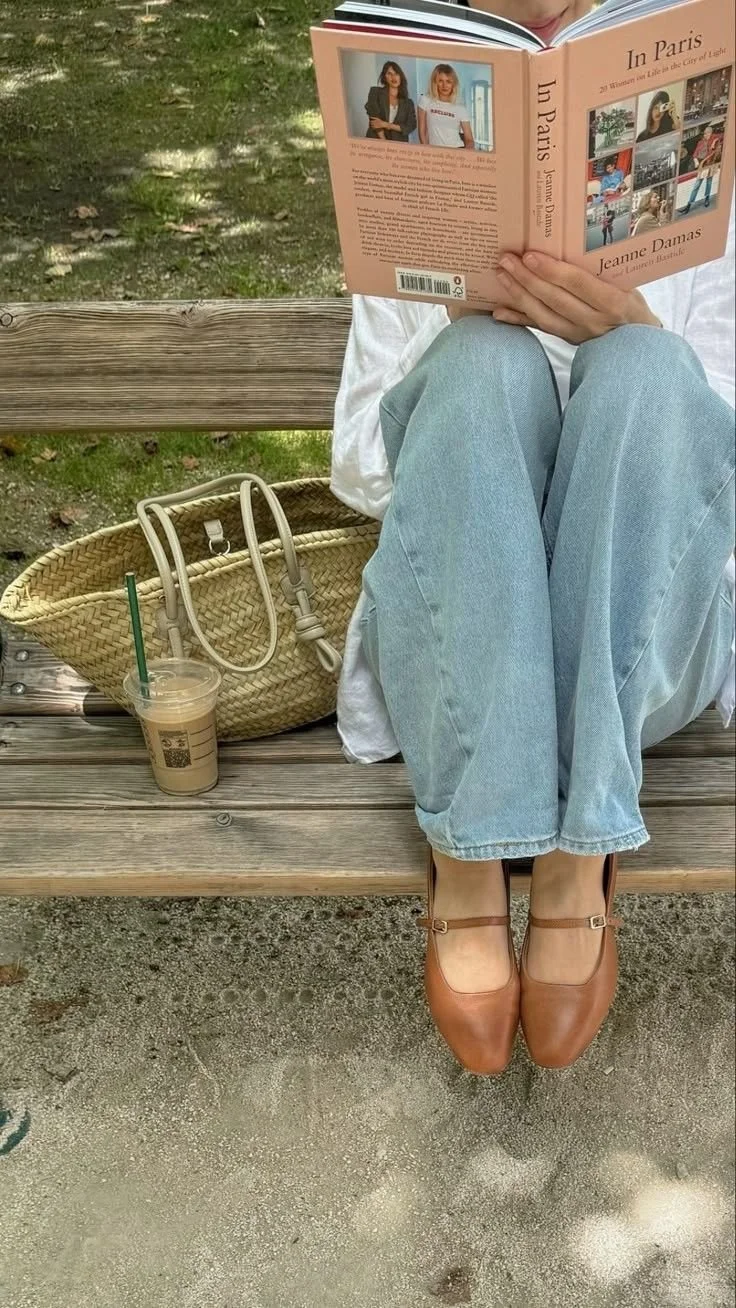
Reading.
Resting.
Walking.
Gardening.
Journaling.
Cooking slowly.
These things matter too.
A meaningful life is not built only through visible achievements.
4. Work Sequentially When Possible
Cal Newport emphasizes that focusing on fewer things simultaneously often improves both sustainability and quality.
Instead of trying to progress ten projects at once, choose fewer priorities and finish them with intention.
5. Protect Your Energy Like a Resource
Not every opportunity deserves immediate access to you.
Slow productivity also means:
saying no more often
leaving space in your calendar
allowing boredom and creativity to coexist
accepting that rest is productive too
5 Women Who Embody Slow Productivity
The beautiful thing about slow productivity is that many successful women already embody it — even if they describe it differently.
Arianna Huffington
After experiencing burnout herself, she completely redefined her relationship with work and became one of the strongest voices advocating for well-being, sleep, and sustainable success.
Cal Newport
While not a woman, he deeply influenced modern conversations around sustainable work rhythms, slower achievement, and a focus on quality over frenetic busyness.
Emma Watson
She intentionally stepped away from constant visibility to prioritize personal growth, reading, education, and a more balanced lifestyle, rather than a relentless productivity culture.
Sofia Coppola
Her work and public image reflect a softer, quieter creative rhythm focused on intentional artistry rather than constant output and hypervisibility.
Monica Bellucci
She represents a slower and more grounded approach to beauty, aging, femininity, and career longevity — proof that evolution does not require urgency.
Slow Productivity Is Also Emotional Safety
I think this is the deepest part of the conversation. Many women are tired not only physically, but also emotionally.
Slow productivity fosters emotional safety by allowing ambition to coexist with humanity.
You can:
build a business
Grow your career
pursue your dreams
create income
remain ambitious
…without abandoning yourself in the process.
Building Beautiful Lives Slowly
One of the biggest lessons I’ve learned personally is that beautiful lives are rarely built through constant acceleration.
They are built through:
repetition
intentional systems
emotional awareness
sustainable routines
long-term consistency
This is also why tools like reflection journals, planners, and habit trackers matter so much to me. Not as productivity performances, but as gentle systems that support clarity and calm ambition over time. Because structure should help you feel supported — not controlled.
Slow productivity is not about lowering your ambitions. It is about changing the way you carry them.
You do not need to exhaust yourself to prove you care about your dreams. You do not need to be constantly busy to deserve success.
Some of the most meaningful lives are built slowly: with softness, intention, consistency, and trust.
And maybe that is the real luxury today: building beautifully without losing yourself along the way.