How to Create a Beautiful Home Routine That Supports the Life You're Building
When we think about building our dream life, it's easy to focus on the big milestones, the career we want, the business we're building, the city we'd love to live in, the holidays we dream of taking, and the goals we hope to achieve one day.
But here's something I've been thinking about lately. Most of our lives don't happen in those extraordinary moments. They happen on an ordinary Tuesday evening. They happen while we're folding laundry, making dinner, watering the plants, preparing tomorrow's outfit, or sitting on the sofa with a cup of tea after a long day.
If those everyday moments constantly feel rushed, chaotic, or disconnected from the person we're trying to become, it's difficult to believe we're actually building the life we dream about. That's why I don't think home routines are about productivity.
I think they're about creating an environment that quietly supports the life you're building, intentionally.
Your Home Should Work With You, Not Against You
One of the biggest mindset shifts I've experienced over the past few years is realizing that my home isn't simply the place where I sleep. It's where I recover, think, write, dream, and prepare for tomorrow.
In many ways, it's the place that makes everything else possible. When my routines support me rather than exhaust me, I have more energy for the projects and people who matter most. That doesn't mean my home always looks perfect.
Believe me—it doesn't. It simply means I've stopped expecting perfection and started designing systems that make everyday life feel a little easier.
Forget the "Perfect Morning Routine"
One of the biggest mistakes I see is believing there's one ideal routine that everyone should follow- overcomplicated, stressful, and not realistic.
If that genuinely works for you, wonderful. But if it doesn't? You're not failing. You're simply trying to follow someone else's rhythm instead of discovering your own.
The truth is that routines are deeply personal. A routine that supports someone working remotely may feel impossible for someone with a long commute. A new parent will need something completely different from a university student.
Someone navigating a busy season of life won't need the same routine they had during a quieter one. And that's perfectly okay. Your routine doesn't have to look inspiring on social media. It has to support your real life.
Permit Yourself to Experiment
I think we put far too much pressure on ourselves to create the "perfect" routine immediately. As if one Sunday afternoon of planning should magically solve every future week.
But routines don't work like that. They're not something you discover overnight. They're something you build through experimentation. Maybe you'll realize that exercising in the morning fills you with energy. Or maybe you'll discover you actually prefer slow mornings and afternoon walks. Perhaps meal prepping every Sunday feels supportive, or perhaps cooking fresh meals throughout the week brings you more joy.
Neither approach is objectively better. They're simply different. Instead of asking yourself, "What's the best routine?", try asking: "What helps me feel more like myself?" That's usually where the answer begins.
Small Systems Create Big Changes
One thing I've learned from both my corporate career and my personal life is that consistency rarely comes from motivation. It comes from removing unnecessary friction.
If I already know what I'm wearing tomorrow, my morning feels calmer.
If meals are planned, I spend less mental energy making decisions after work.
If I have a dedicated evening reset, Mondays begin with far less stress.
None of these habits are revolutionary on their own, but together, they create a rhythm that supports everything else I'm trying to build.
The goal isn't to optimize every minute of your day. It's to create enough structure that your energy can go toward the things that truly matter.
Your Environment Reflects Your Priorities
I often think about our homes as quiet reflections of the lives we're creating, not because they need to be perfectly decorated or beautifully organized all the time, but because they communicate what we value.
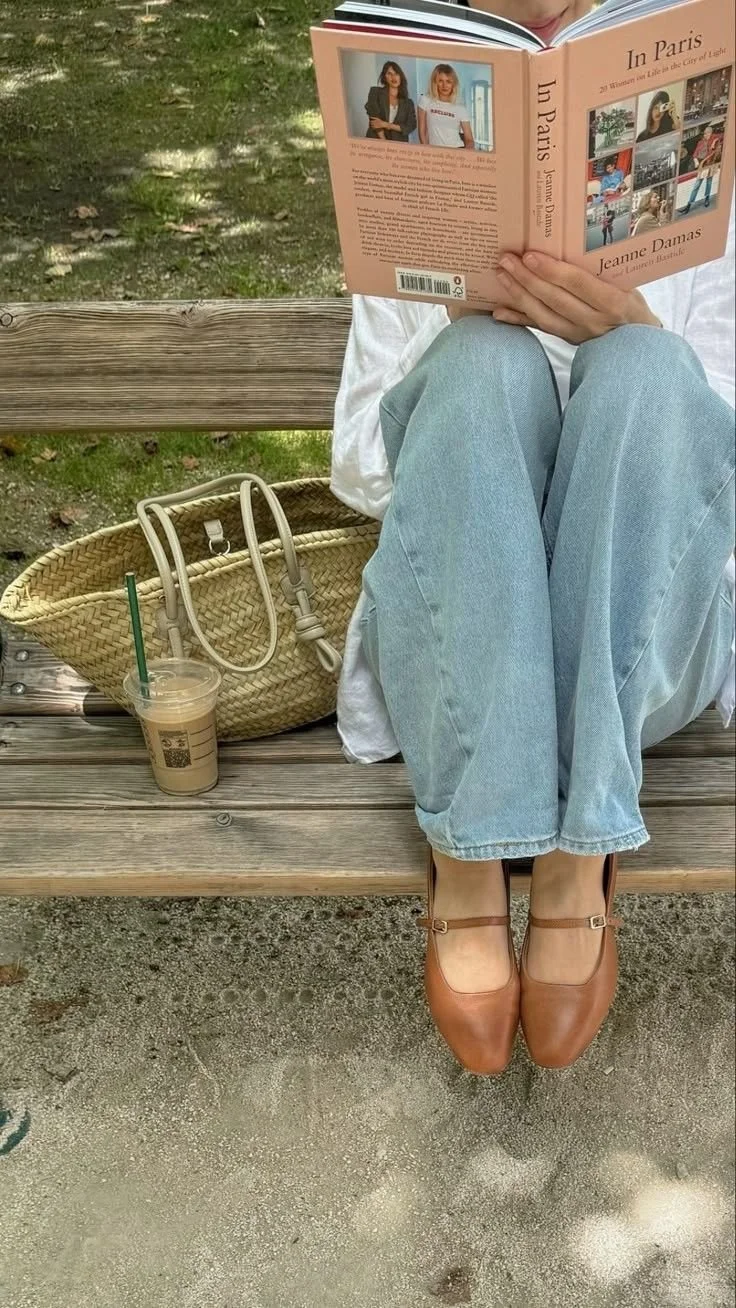
A reading corner reminds us to slow down. A tidy desk makes it easier to create.
Fresh flowers can make an ordinary Wednesday feel a little more special. A basket by the front door for keys and bags removes one small daily frustration.
These details may seem insignificant, but they shape how we experience our everyday lives, and our everyday lives eventually become our whole life.

Build a Routine That Evolves With You
One of the most comforting realizations I've had is that routines are not permanent: they're allowed to change.
In fact, they should: the routine that supported me five years ago isn't the same one that supports me today.
My responsibilities, my priorities, my dreams have changed. Naturally, my routines have changed too.
So if something no longer works for you, don't force yourself to keep following it simply because it worked once. Permit yourself to adjust. Your systems should evolve alongside your life.
A Gentle Way to Stay Consistent
If you're experimenting with new routines, one thing I highly recommend is tracking them—but gently. Simply to notice patterns. Sometimes we think something isn't working when, in reality, we just haven't given it enough time. Other times, tracking reveals that a habit we thought we'd enjoy actually drains us, while another quietly becomes part of our day without much effort.
That's exactly why I created two of my favorite tools in The MM Shop.
The Weekly Planner is completely undated, so you can start whenever you're ready—whether that's on 1 January or a random Wednesday in October. It helps you organize your week in a way that feels intentional rather than overwhelming, keeping your priorities visible without demanding perfection.
Alongside it, the undated Weekly Habit Tracker lets you observe the habits that genuinely support your life. Instead of chasing long, intimidating streaks, it encourages you to notice what helps you feel healthier, calmer, more productive, or simply more like yourself.
I designed both because I wanted planning tools that felt encouraging instead of demanding. Tools that remind us that consistency isn't about getting everything right. It's about showing up, adjusting when needed, and continuing to move forward.
If you're trying to build a beautiful life, remember this: you don't need a perfect routine.
The most meaningful routines are rarely the most impressive: they're the ones that quietly support the person you're becoming.
So permit yourself to experiment: try different rhythms, keep the habits that make your days feel lighter, let go of the ones that don't.
Because building your dream life isn't about finding the perfect routine. It's about creating one that feels beautifully, intentionally yours.
Featured Products









Build Intentional Habits That Stick — With Ease & Joy
Are you tired of setting goals every Monday only to lose track by Wednesday? The Weekly Habit Tracker gently guides you from good intentions to real, meaningful routines — week after week.
This beautifully designed digital tracker helps you:
✨ Turn intentions into action — track habits without stress
🗓 See patterns that empower change — so you know what really moves you forward
🌿 Create consistency without pressure — because small, steady steps are what build lasting habits
📱 Use on your tablet or print at home — flexible to your lifestyle
Whether you’re building a morning ritual, boosting your wellness, or just trying to stay on track with what matters, this tracker is your weekly guide to intentional living.
Who this is for:
✔ Busy women juggling life, work & self-growth
✔ Dreamers who want structure without rigidity
✔ Anyone craving a more mindful, purposeful week
Because life isn’t about perfection…
It’s about progress you can feel. 💫