How to Nurture Your Audience With Email Marketing Without Constantly Selling
If you’re in the middle of your content creation journey, building a business, or considering starting a newsletter, keep this in mind: email is an incredibly powerful sales channel. Use it to talk about your products, services, affiliate recommendations, launches, and offers. Still, if every email exists only because you want something from your reader, the relationship will eventually feel transactional.
I do not think that is the strongest way to build a long-term brand: people stay subscribed because they trust your presence. After all, opening your email usually gives them your perspective, ideas, inspiration, and your story. Sometimes, yes, an offer that genuinely helps them: that is the difference between simply having an email list and nurturing an audience through email marketing.
The goal is not to train people to expect another promotion; it is to build enough value and familiarity that, when you do have something to sell, the recommendation feels like a natural continuation of an existing relationship.
Start by Thinking About the Relationship, Not the Conversion
One of the easiest ways to make email marketing feel uncomfortable is to approach every message thinking: "How do I convert this person?"
Try changing the question to: “What would make this email worth opening?”
That shift changes everything: a useful email can teach something, tell a story that helps the reader understand a problem differently, introduce a resource, offer a practical takeaway, or make someone feel understood.
You are still building the business, but you are doing it by creating trust first, and trust compounds. Someone may read your newsletter for six months before buying anything. That does not mean those six months were wasted; they were the relationship.
Consistency Creates Familiarity
One of email's most powerful benefits is repetition, in the form of familiarity. That matters because people rarely make decisions based on one interaction; they remember patterns. If every email reinforces the same deeper values, your positioning becomes stronger over time.
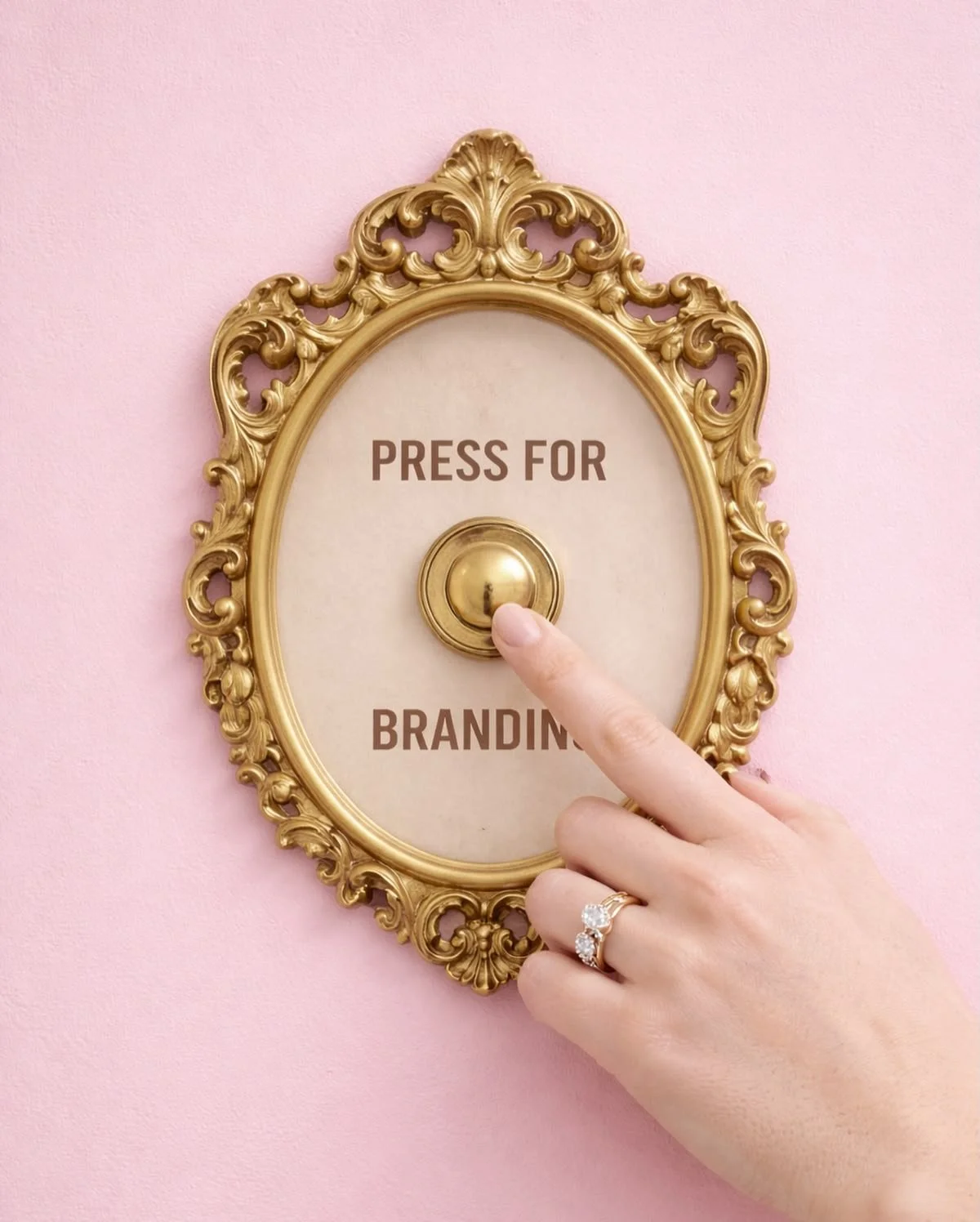
For example, if your brand consistently talks about sustainable growth, intentionality, clarity, and building a business around real life, those ideas should show up repeatedly in the newsletter, through different stories and lessons. That repetition is branding.
Your Newsletter Needs a Point of View
Useful information alone is not always enough: your reader can find generic advice almost anywhere. What makes your newsletter worth staying subscribed to is often your perspective.
Take a topic like consistency.
You could send:
"5 tips to stay consistent."
Useful, but forgettable.
Or you could write about why consistency does not mean maintaining the same level of output in every season of life, then share how you personally adjust during busier periods.
Now there is an idea attached to the advice: that is what people remember. Information attracts attention; perspective creates connection.
Teach Something Small, Not Everything at Once
A nurturing email does not need to become a complete masterclass every week. Actually, trying to make every email overwhelmingly valuable can create another unsustainable content system.
Choose one thought, or a personal reflection that leads to a practical takeaway, and center the email around it: you can include related blog posts you've already written, products that relate to the topic, a personal story, or a link to a video that helped you. Depth doesn’t require length; sometimes one clear idea is more valuable than twelve disconnected tips.
Personal Does Not Mean Overexposed
This matters especially for personal brands: sharing your perspective can build enormous trust, but nurturing your audience does ’t require giving them unlimited access to your life.
Share what serves the conversation.
You can share what you learned, what changed your mind, what you struggled with, what system helped, and what decision you made, without revealing every detail.
That is storytelling with boundaries.
And I think it often makes the story stronger because you share intentionally rather than documenting everything that happened. Your newsletter can feel intimate without becoming invasive.

Use Segmentation by Intent, Not Just Demographics
Segmentation is one of the most useful ways to make email marketing feel more relevant, but many creators overcomplicate it. You don't need twenty audience categories based on age, location, profession, or income.
Start with intent: What does this person seem interested in?
For example, someone who downloads a content-planning resource signals a different immediate interest than someone who joins your list through a wardrobe guide. Someone repeatedly clicking your consulting content may be closer to needing strategic support. Someone who consistently engages with your lifestyle letters may primarily be there for inspiration and connection.
You can segment around:
topic interest,
resource downloaded,
product interest,
service interest,
behavior,
stage of the relationship.
Then send more relevant follow-up.
The goal isn't to manipulate the reader; it's to respect her attention.
Think in Soft Conversion Paths
Not every email needs to jump from useful content to: BUY NOW.
A conversion path can be much softer: imagine you send an email about creating a realistic content system.
The natural next step might be: read the full blog article, explore The Creator Dashboard, and then, if she needs a personalized strategy, learn about your consulting service.
That path makes sense. You are not forcing someone from zero awareness to purchase in one message; you are helping her move based on what she actually needs.
Make Your Offers Part of the Ecosystem
One of the easiest ways to avoid sounding salesy is to stop treating your products or services as interruptions; they should exist because they solve a problem your content already addresses.
If you write regularly about planning and routines, mention a Weekly Planner.
If you teach content systems, introducing The Creator Dashboard makes sense.
If you talk about brand positioning and someone clearly needs customized help, a Brand Clarity Session is a natural next step.
That is very different from writing an unrelated personal email and abruptly inserting: "Anyway, buy my thing." The offer should feel connected to the problem.
Use Different Types of Emails
Your email strategy becomes easier when not every message serves the same role: you can rotate through different types of nurturing content.
For example: educational emails teach one practical lesson; reflective emails explore a belief, story, or realization; curated emails share useful resources, products, articles, or recommendations; behind-the-scenes emails show how you work, build, decide, or create; offer emails explain a product or service directly.
The balance will depend on your business, but if every email is an offer email, you are not really nurturing. You are campaigning continuously.
Create a Welcome Experience
Your nurturing should begin immediately.
Someone who joins your newsletter shouldn’t have to wait three weeks to understand why they subscribed.
A welcome sequence can introduce: who you are, what you believe, what kind of content they can expect, your best resources, and the next logical step.
Again, this does not need to become an aggressive funnel: think of it as welcoming someone into your world.
If someone walked into your home for the first time, you would not immediately ask them to buy the furniture.
You would show them around: email can work the same way.
Let Your Newsletter Connect Your Ecosystem
One reason I love newsletters is that they can connect everything else you create. A newsletter can resurface an article from two years ago when it suddenly becomes relevant again; it can explain the thinking behind a new product; it can lead readers from a reflective story to a practical guide; it can turn separate pieces into a coherent world.
That makes it incredibly valuable strategically.
Measure More Than Sales
Sales matter, but if you only judge your email strategy by immediate revenue, you may miss the relationship-building work happening underneath.
Look at: open patterns, clicks, replies, which topics people engage with, which links consistently attract interest, which emails generate unsubscribes, which offers convert after several nurturing touches.
Qualitative signals matter too: they show trust is working.
Do Not Be Afraid to Sell
There is an important counterpoint here: it doesn’t mean being so terrified of selling that you don’t know you have anything available.
You are running a business; selling is part of the relationship. The goal isn't to hide the offer; it's to create context around it.
If you genuinely believe the product helps, explain it clearly: who it is for, why you created it, and how it solves the problem. Give people a direct next step, then let them decide. A trustworthy email strategy is not anti-sales; it is anti-pressure-for-the-sake-of-pressure.
Protect Trust Over Short-Term Revenue
This is the part I think matters most.
Your email list is valuable because people chose to let you into a space they control: that deserves respect. Long-term brands are built by protecting the relationship, even when a short-term tactic could bring in slightly more revenue.
If you are wondering what this could look like practically, keep it simple. One week, send a personal reflection with one practical takeaway; the next, teach something useful; then share a relevant resource or article. When there is an offer worth discussing, talk about it, then return to nurturing.
You do not need a mathematically perfect ratio of value emails to sales emails; you need enough consistency that your audience understands:
Most of the time, when I open this email, I'll find something here for me. That expectation is incredibly powerful.
Your Newsletter Is a Long-Term Brand Asset
Social media can create discovery, search can create traffic, but email creates continuity. Over months or years, that relationship becomes a major part of your brand.
People begin to understand the nuances of your work, personality, values, expertise, evolution.
They see enough evidence to trust you, which is why email shouldn’t be treated only as the channel you activate during a launch. The nurturing is the strategy.
People do not stay on your email list because you sell harder; they stay because your presence becomes valuable. They know opening your email might give them a useful idea, a thoughtful perspective, a practical resource, a trusted recommendation, a story that makes them feel less alone, and sometimes the exact product or service they need.
That is audience nurturing, not avoiding sales, because the strongest email marketing strategy is not convincing someone to buy from you today; it is becoming the kind of presence she is still happy to hear from a year from now.