How to Create a Personal Productivity System That Actually Fits Your Life
Productivity often feels like a performance.
Early wake-ups. Perfect routines. Color-coded schedules that look beautiful but collapse by Wednesday. We try to follow systems designed for someone else’s life — someone with more time, fewer responsibilities, or a completely different rhythm.
And when those systems don’t work for us, we assume the problem is discipline. But most of the time, the problem is design.
A productivity system should not impress anyone.
It should support you — quietly, consistently, and realistically.
Especially if you are building something alongside real life.
Start With Your Reality, Not Your Ideal
The biggest mistake in productivity is designing from aspiration instead of truth.
Before you build any system, take a moment to map your actual life:
Your working hours
your commute
your energy levels
your personal responsibilities
your non-negotiables
This is your infrastructure.
If you ignore it, no system will last.
A realistic productivity system begins with acceptance. Not limitation — clarity. When you understand your constraints, you can design within them instead of constantly fighting against them. And that’s where realistic ambition begins.
Define What “Productive” Actually Means for You
Not all productivity looks the same.
For some, it means output — tasks completed, projects moved forward. For others, it includes emotional well-being, presence, and sustainability.
Take a moment to redefine productivity in your own terms:
What does a successful day feel like?
What are your priorities in this season of life?
What are you building — and why?
When your definition is clear, your system becomes aligned. Without this step, productivity becomes endless activity without direction.
Build Around Energy, Not Just Time
Time blocking is useful. But energy management is essential.
There are moments in your day when you think more clearly, create more easily, or focus more deeply. There are also moments when your energy naturally dips. Instead of forcing yourself into rigid schedules, observe your patterns.
For example:
Use your highest energy window for deep work or creative tasks
Reserve low-energy moments for admin, emails, or lighter activities
This simple shift makes your system feel supportive instead of exhausting. You’re no longer pushing through resistance — you’re working with your natural rhythm.

Simplify Your Weekly Structure
You don’t need a complicated system. In fact, the more complex it is, the more likely it is to fail.
Start with a simple weekly structure:
2–3 core priorities
dedicated time blocks for focused work
space for flexibility
a weekly reset moment
This creates direction without rigidity. Your system should guide you — not overwhelm you.
Create Repeatable Routines
Consistency does not come from perfection. It comes from repetition.
Instead of trying to design the “perfect day,” focus on creating small routines that you can repeat:
a 10-minute morning planning ritual
a weekly review session
a consistent time for focused work
a short evening reset
These routines become anchors. Even when your schedule shifts, your anchors remain. And that creates stability.
Leave Space for Life
A common mistake in productivity systems is over-scheduling. We fill every hour with intention — and leave no room for reality.
But life is unpredictable:
meetings run longer
energy fluctuates
Unexpected tasks appear
If your system has no flexibility, it breaks at the first disruption.
Instead, leave intentional space:
buffer time between tasks
open slots in your calendar
realistic expectations for what can be completed
Flexibility is not inefficiency. It’s resilience.
The Emotional Shift: From Pressure to Support
A well-designed productivity system changes how you feel about your day. Instead of waking up overwhelmed, you wake up with direction. Instead of feeling behind, you know where to start. Instead of constantly adjusting, you move with clarity.
Productivity becomes less about pressure and more about support. And that’s what makes it sustainable.
Productivity as Infrastructure
When you’re building a business, a personal brand, or a new version of your life, productivity is not just about getting things done. It’s about creating infrastructure.
Systems that:
hold your ideas
Support your consistency
Protect your energy
allow your growth to compound
This is the phase where everything begins to stabilize. Not because you are doing more — but because you are doing things with intention.
You don’t need a perfect routine. You need a system that fits your life — your time, your energy, your responsibilities, your ambitions.
When productivity aligns with reality, something shifts.
You stop chasing control.
You start creating it.
Quietly. Consistently. Sustainably. And that is where real progress lives.
Featured products you might like if you’re building your productivity system

Your entire creative life—streamlined in one elegant bundle. The Ultimate Productivity Suite is for the visionary woman balancing her personal goals, passion projects, and everyday tasks. It’s structure without stress, discipline with a dose of delight.
This suite includes:
Weekly Planner
Big Project Planner
Creator Dashboard
Goal Setting & Vision Board
Daily Planner
It’s the digital planner bundle that keeps your life, work, and creativity in harmony.

Everything you need to plan your life, build your brand, and keep your mind at ease. The Complete Life & Content Bundle is your all-access pass to stylish organization, strategic growth, and mindful moments. Ideal for the multi-passionate woman who craves clarity with a touch of elegance.
This bundle includes all 8 digital products from the MM Shop:
Weekly Planner
Big Project Planner
Creator Dashboard
Goal Setting & Vision Board
Daily Planner
Daily Gratitude Log (dotted & plain)
Design Your Big Project
It’s not just a bundle. It’s your new lifestyle system.
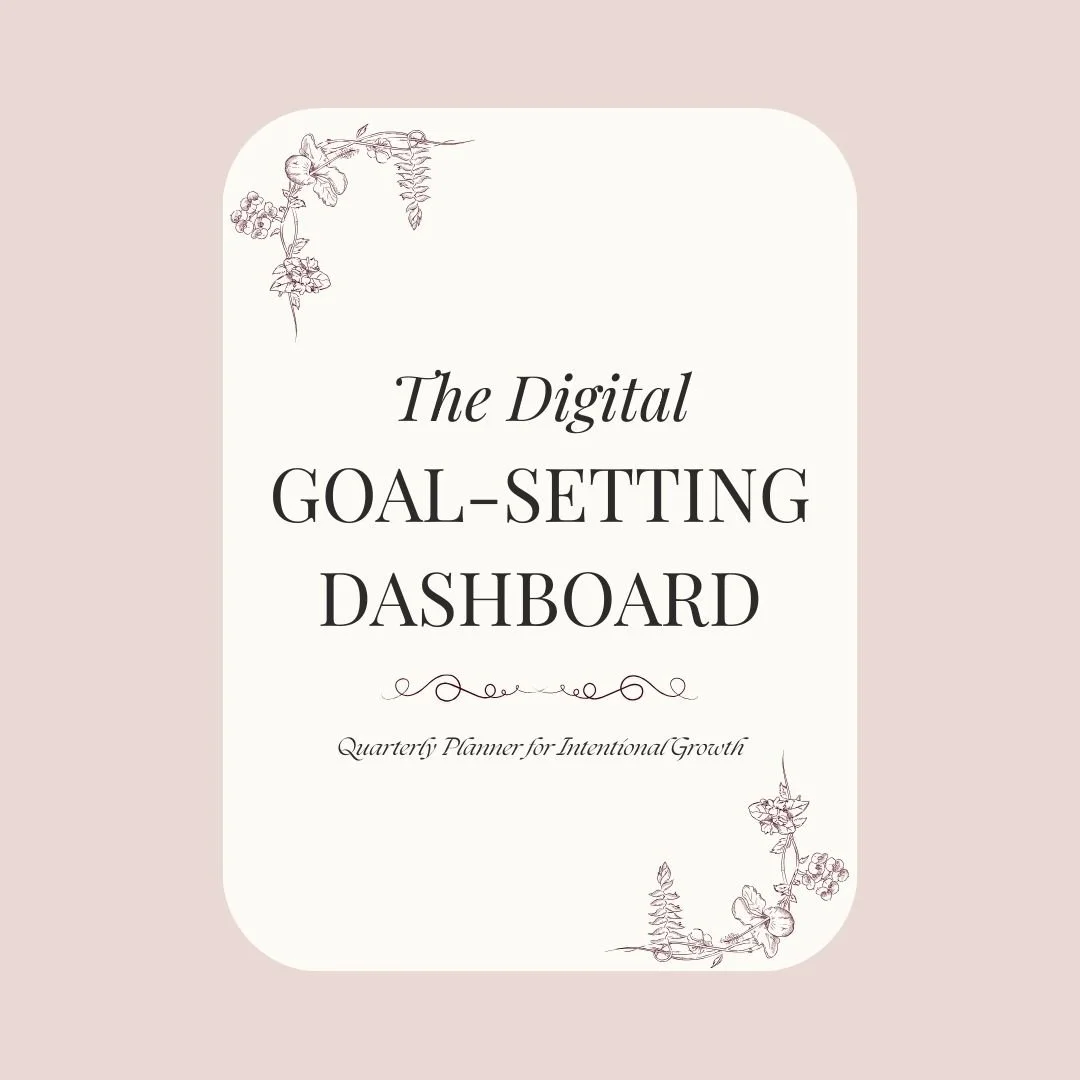
An undated quarterly planner to turn your big goals into a clear 90-day plan you can actually follow.
For ambitious women who know what they want, but need a simple system to turn the vision into action.
Have you ever felt overwhelmed by goals that feel too big, too vague, or too far away to know where to start? This isn’t just another planner — it’s a strategic roadmap that helps you turn your bigger vision into a clear quarterly plan and realistic monthly actions.
This quarterly planner gives you a simple system to:
✨ Clarify what you actually want — and understand why it matters to you
📆 Break big goals into achievable steps — moving from vision to quarter to month
🔍 Track your progress and adjust as life changes — without feeling like you’ve failed when the original plan needs to evolve
🌿 Make space for reflection and well-being — because progress should support your life, not take it over
Designed for dreamers who are ready to turn intention into action. If you love having a plan but don’t want another rigid productivity system telling you that you’re behind, this dashboard gives you enough structure to stay focused while leaving room for real life.
What you’ll receive: one downloadable PDF file, ready to use in apps like GoodNotes or Notability, or to print at home.
Use it digitally in GoodNotes or Notability, or print it at home and make it part of your own planning routine.